Explainer
Reformer or mat: which to book
Not the same class with different furniture. A plain comparison, and whom each suits.
Clients ask this before a first booking, usually because one costs less and they suspect the other is better. Neither is quite true in the way they expect.
What the springs change
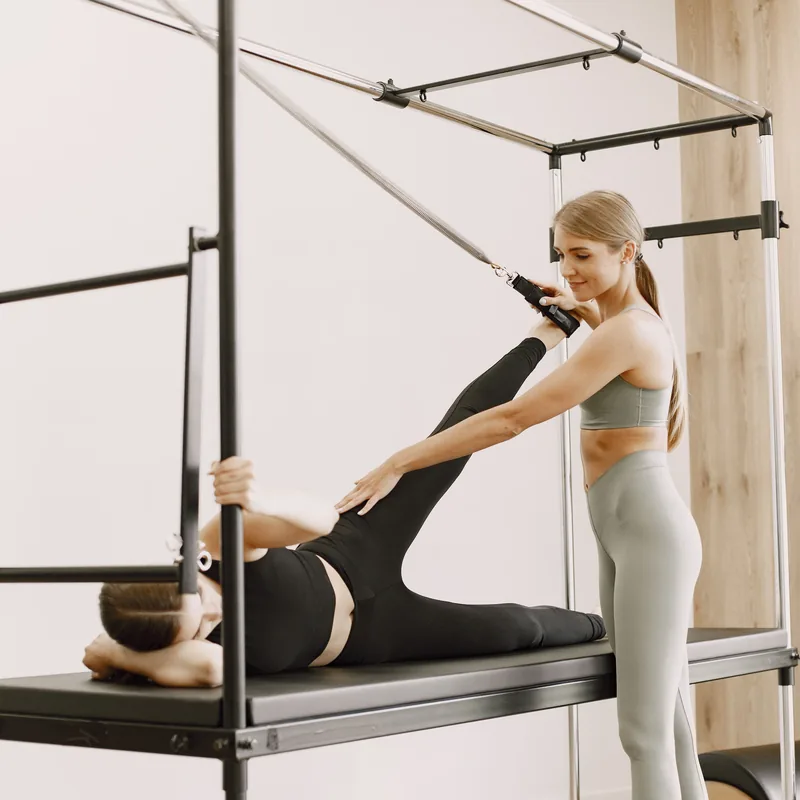
A reformer adds resistance you can measure and a carriage that moves, so an uneven line shows up at once — take the load off one side and the carriage reports it, immediately and in front of the room. That feedback is why the reformer is easier to learn correctly and considerably harder to cheat.
A reformer tells you immediately that your line is wrong. A mat will let you get away with it for another six weeks.
What mat work is still better at
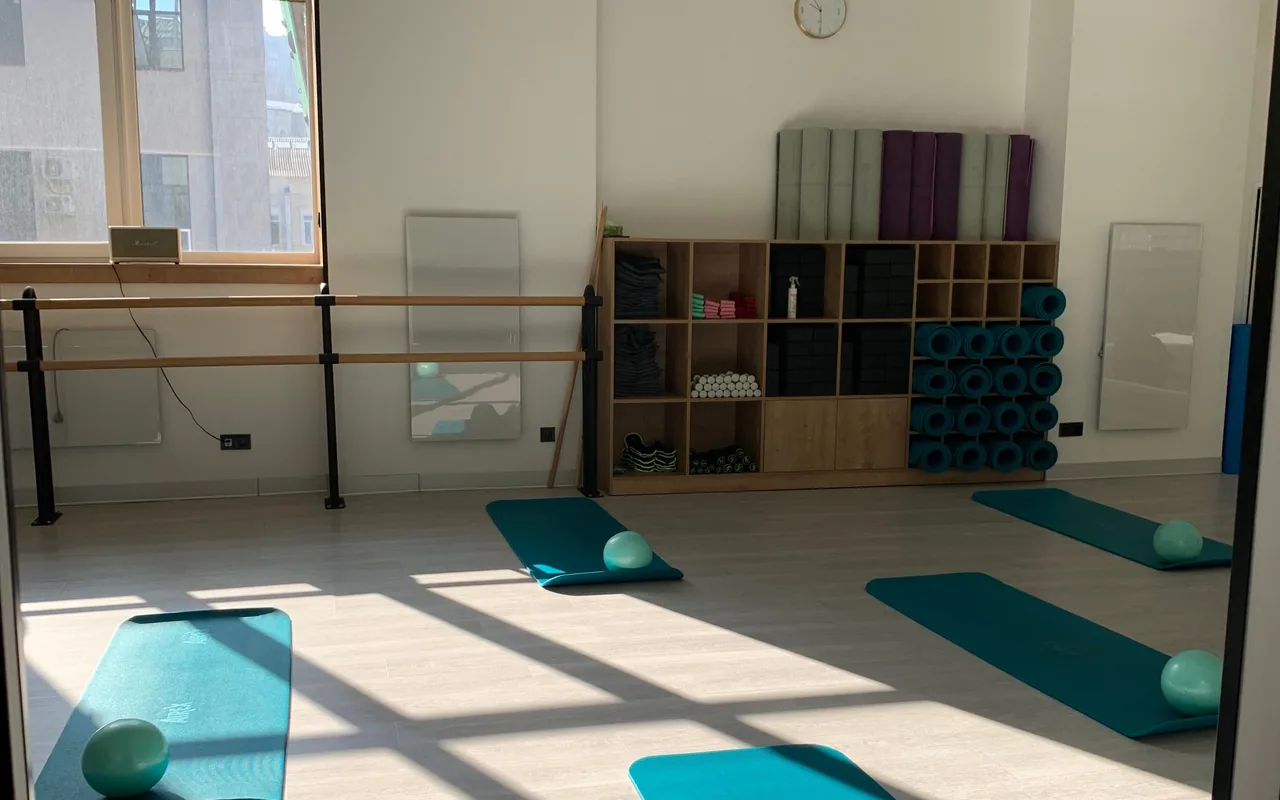
Mat work uses your own weight, which makes it portable, cheaper and unforgiving in a different way: nothing assists you. It remains the better place to build the breath and the ribs, and it is what a teacher will start with in Fundamentals before anyone touches a spring.
If you can do only one, take the reformer and take the corrections. If you can do both, alternate them; most clients here who have stayed a year do exactly that.
Reading is the slow way round. $75 covers your first three classes.
Book a class